Charles Spinelli Talks About Business Credit Lines for Startups: Opportunities and Challenges
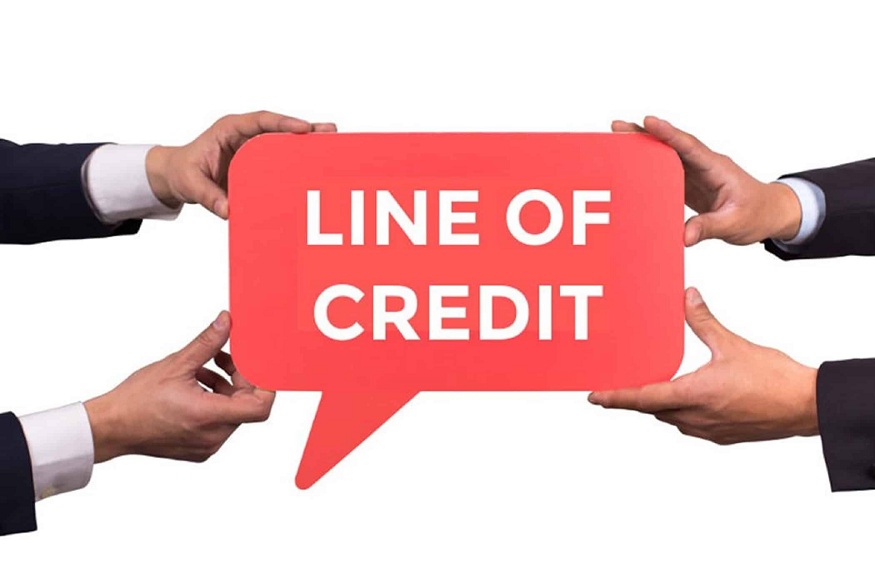
The recognition of business credit lines is rising exponentially among startups and small businesses seeking a financial solution that offers flexibility in managing cash flow for their stability and growth. Unlike business loans that help get a lump sum fund, the uniqueness of a credit line is that it allows employers to borrow funds as needed out of the credit limit allowed and pay interest only on the borrowed amount as per Charles Spinelli.
This flexibility makes it an invaluable funding tool for businesses in the early development stage. However, while credit lines come with a host of advantages, many shortcomings or challenges of this funding option need careful consideration.
Understanding Business Credit Lines
As a revolving form of financial tool, a business credit line is designed to provide access to a pre-set amount of capital. It allows startups and SMEs to draw funds when needed and pay only interest on the utilized amount instead of the whole credit limit.
Read More: How to Get an Fifty Thousand Loan on a Mobile App
This advantage has made a credit line an attractive funding option for startups that experience fluctuating expenses, changes in seasonal revenue, and a lack of working capital. Notably, once the borrowed funds are refunded, the available credit is again refilled, allowing employers to reuse the funds as needed.
Improving Cash Flow Management
Financial issues related to cash flow are very common in start-ups, especially in times of fast growth or when the market is unpredictable. Issues like delays in payments from customers, unexpected costs, or even seasonality may lead to cash flow problems for an entrepreneur.
The role of business credit is to bridge such financial gaps that may arise. This means that whenever there is a lack of cash flow in a start-up business due to low revenues, business credit will be available to fund crucial activities.
By maintaining smoother cash flow, businesses can focus on growth initiatives rather than constantly worrying about short-term financial pressures.
Building Business Credit History
Proper utilization of a business credit line assists startups in creating a positive business credit profile. Properly managed credit and repayment indicate financial responsibility to the lenders and other financial institutions.
A healthy credit rating can also enable startups to access other forms of financing opportunities, including business loans, business mortgages, and equipment financing in the future.
Challenges of Qualification
Despite all the benefits, securing a credit line may not be easy for start-ups. Lenders consider various aspects of a company’s finances, such as income, history, performance, and even credit score, when processing loan requests.
As a result, a business that does not have a lengthy credit history can be forced to pay higher interest or even furnish collateral to secure a business loan. Personal guarantees from the owner may also be required.
Read More: Is It Possible to Improve the Cold Call Connection Rate?
This situation creates obstacles for start-ups that need to establish themselves on the market.
Risks of Over-borrowing
Flexibility of the line of credit can also work as a weakness in some cases, since having money at hand can result in over-borrowing and, consequently, lead to a fall into a debt trap.
in the opinion of Charles Spinelli, a startup can get used to using the money from their business credit lines to pay their bills, instead of solving their financial issues through proper planning . This situation can lead to difficulties for companies in hard times.
By using credit responsibly and integrating it into a well-planned financial strategy, startups can leverage business credit lines as an effective tool for long-term success and sustainable growth.